Riding Horses: Head Safety Gear

Where Passion Meets Protection

  • About Horse Helmet Safety
  • Safety Concerns
    • Kids Riding Helmets
    • Western Riding Helmets

Kids Riding Helmets: Why Every Child Needs One for Horseback Safety

September 4, 2025 by Horse Helmet Safety Leave a Comment

Key Takeaway:
– Horseback riding offers kids confidence, responsibility, and outdoor fun—but it also comes with risks.
– A certified, properly fitted riding helmet reduces the risk of serious head injury by up to 70%.
– Parents should choose an ASTM/SEI-certified helmet, ensure correct fit, and replace helmets after falls or wear.

 Why Helmets Are Essential for Kids in Horseback Riding

Horseback riding is an incredible activity for children—it builds confidence, teaches responsibility, and strengthens the bond between rider and horse. 

It also encourages time outdoors, physical fitness, and connection to nature.

But riding isn’t risk-free. One of the most serious dangers is head injury, and fortunately, it’s also one of the most preventable. 

That’s why a **kids’ riding helmet** isn’t optional—it’s essential.

Helmets Save Lives

A fall from a horse can be like falling from a six-foot ladder—and that’s without factoring in speed. 

For children, whose brains and bodies are still developing, the impact can be devastating.

Common injuries without a helmet include:

* Concussions
* Skull fractures
* Facial trauma
* Internal brain bleeding

Wearing an **ASTM/SEI-certified helmet** can reduce the risk of severe head injury by up to 70%.

These helmets are designed to absorb and spread out impact force, dramatically lowering the chance of a life-threatening injury.
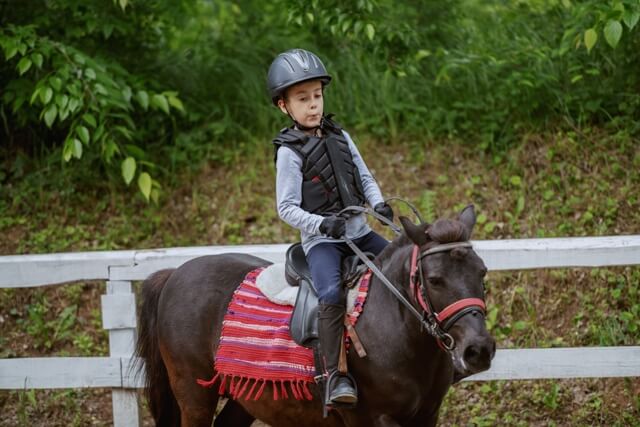
kids riding helmets

Kids Riding Helmets

 What a Child’s Riding Helmet Protects Against

* Head trauma from falls
* Impact injuries from being stepped on or kicked
* Facial injuries from flying debris or branches
* Broken glasses or eye damage from jolts

While no helmet can prevent all injuries, it makes serious accidents far less likely.

Building Safe Riding Habits Early

Children adopt lifelong habits when they start young.

Wearing a helmet should feel as natural as buckling a seatbelt. 

Parents, riding instructors, and older riders can all reinforce this safety culture by leading by example.

Beyond protection, helmets give kids confidence.

Feeling safe allows them to focus on riding skills and enjoying time in the saddle.

Build Safe Riding Habits Early.
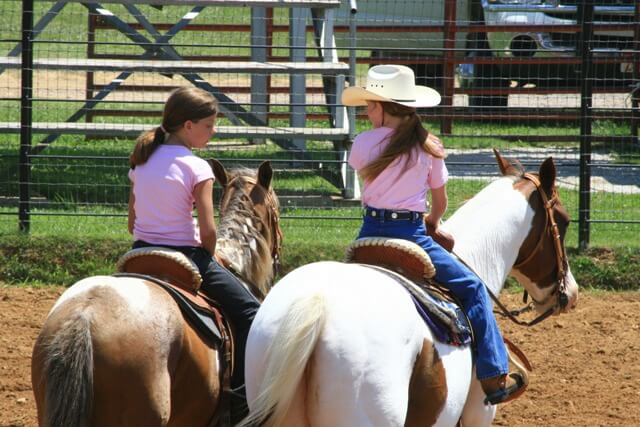
children’s horseback riding safety

Children’s Horseback Riding Safety

How to Choose the Right Riding Helmet for Kids

### 1. Fit

The most important factor. A helmet that’s too loose or tight won’t protect effectively.

* Should sit level, covering the forehead
* Snug fit without pinching
* Chin strap should allow one or two fingers underneath

### 2. Ventilation

Good airflow keeps kids cool and more willing to wear the helmet.

### 3. Safety Certification

Always buy **ASTM/SEI-certified helmets**. 

Avoid novelty helmets—they don’t meet safety standards.

Avoid novelty helmets—they don’t meet safety standards.

### 4. Style

Kids are more likely to wear a helmet they like.

Many brands now offer fun colors, sparkles, and designs.

## How to Properly Fit a Kids’ Riding Helmet

* **Eyebrow rule:** Helmet should sit just above the eyebrows
* **Chin strap:** Snug, with room for one or two fingers
* **Side straps:** Should form a “Y” under the ears
* **Shake test:** Helmet shouldn’t shift when your child moves their head
* **Hair check:** Tie hair low to avoid throwing off the fit
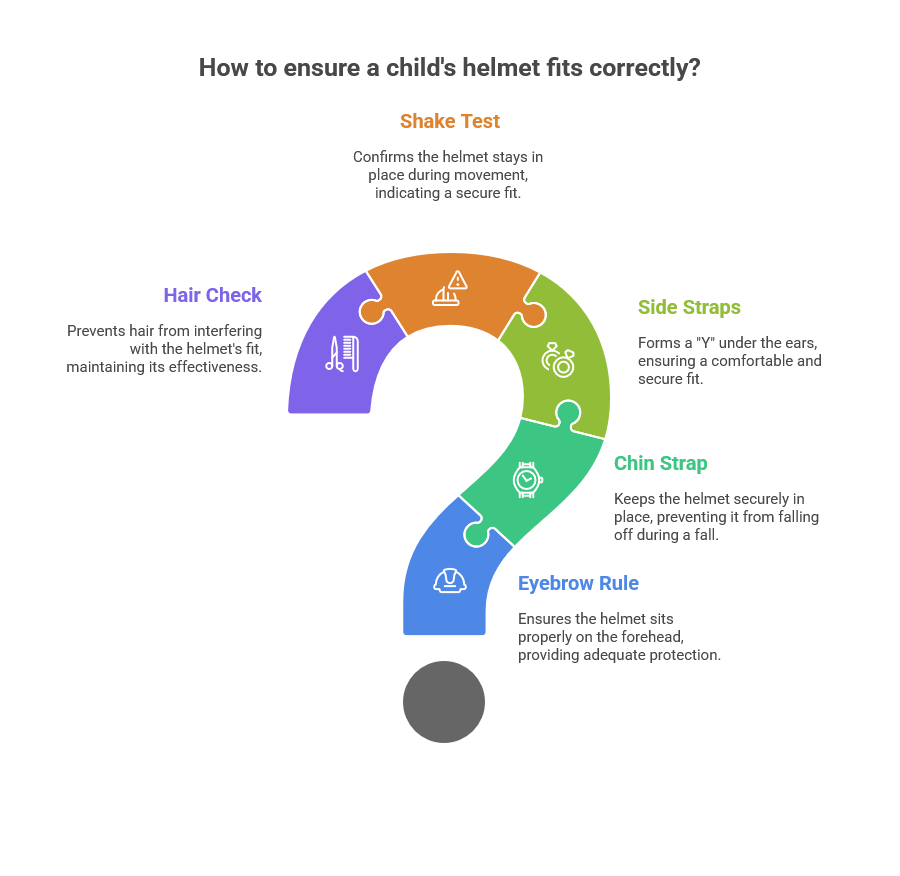
 how to fit a riding helmet

How To Fit a Riding Helmet

Helmet Care Tips for Parents

* **Storage:** Keep in a cool, dry place—never in hot car trunks
* **Cleaning:** Mild soap and cloth only; avoid harsh cleaners
* **Inspection:** Look for cracks, dents, or worn padding regularly
* **After a fall:** Replace immediately, even if it looks fine
* **Replacement cycle:** Every 3–5 years under normal use

Frequently Asked Questions About Kids’ Riding Helmets

**1. At what age should my child start wearing a riding helmet?**
Children should wear a properly fitted riding helmet from their very first time on a horse or pony—regardless of age.

Even lead-line rides or beginner lessons carry fall risks, so helmets should be non-negotiable.

**2. Can my child use a bike helmet for horseback riding?**
No. Bike helmets are designed for falls from lower heights and at different impact angles.

Only **ASTM/SEI-certified equestrian helmets** are tested and approved for horseback riding safety.

**3. How often should I replace my child’s riding helmet?**
Helmets should be replaced every 3–5 years under normal use.

However, if the helmet has been involved in a fall or shows signs of wear (cracks, dents, or worn straps), it should be replaced immediately—even if it looks fine.

**4. How do I know if my child’s helmet fits correctly?**
A well-fitted helmet should:
* Sit level, just above the eyebrows
* Feel snug without pinching
* Have a chin strap that allows only 1–2 fingers underneath
* Stay in place during the “shake test” (child gently shakes head)

If it wobbles, shifts, or feels too tight, it’s not the right fit.

**5. What’s the difference between a schooling helmet and a show helmet?**
Functionally, both provide the same safety protection as long as they are ASTM/SEI-certified.

The difference is usually in appearance—**schooling helmets** are often more ventilated and practical for everyday rides, while **show helmets** tend to have a sleeker, polished look to meet competition standards.

**6. Can helmets be handed down between siblings?**
It’s not recommended. Helmets should be fitted to each child’s head shape and size.

Also, helmets lose effectiveness over time and should not be reused if they’ve already absorbed an impact.

**7. How can I encourage my child to actually wear their helmet?**
Let them help pick a helmet in their favorite color or design.

Many brands now offer sparkles, decals, and fun finishes that make helmets more appealing.

Leading by example—parents and instructors wearing helmets—also reinforces the habit.
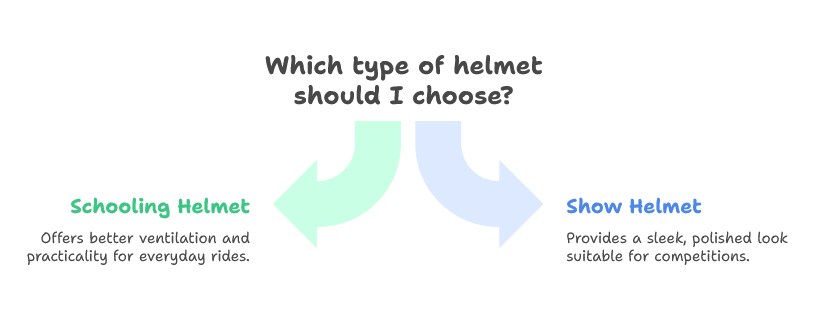
Schooling Helmet Vs. Show Helmet

Schooling Helmet Vs. Show Helmet


## Final Thoughts: Small Step, Big Peace of Mind

Horseback riding offers amazing benefits for children, but safety must come first.

A **properly fitted, certified kids’ riding helmet** is one of the simplest, most effective ways to prevent serious injuries.

As parents, we can’t eliminate all risks—but we can take smart steps to minimize them.

Making a helmet non-negotiable riding gear is one of those steps.


Table of Contents
1
 Why Helmets Are Essential for Kids in Horseback Riding
2
Helmets Save Lives
3
How to Choose the Right Riding Helmet for Kids
4
Helmet Care Tips for Parents
5
Frequently Asked Questions About Kids’ Riding Helmets

Western Riding Helmets – Should They Be Worn?

September 2, 2025 by Horse Helmet Safety

kids horse riding helmets

Kids Horse Riding Helmets

Key Takeaway:
– **Horseback riding always carries risk**, no matter your experience.
– **Cowboy hats may be traditional, but they offer no protection** in a fall.
– **Modern western riding helmets — including cowboy hat–style options — combine safety, comfort, and style.**
– The real decision isn’t about fashion — it’s about safety. **Protecting your head is always worth it.**By the end of this article, you’ll understand why helmets matter, what’s available, and which recommended helmets offer the best mix of safety, fit, and western style.

The Ongoing Debate

If you ride western, you’ve probably heard the debate: *“Do I really need a helmet?”* Some riders insist that helmets take away from the authentic cowboy look.

Others say they’re only necessary for competitive events like reining, cowboy polo, or mounted shooting. And a few still believe helmets are just for beginners or kids.

But here’s the reality: horseback riding carries real risk every time you swing into the saddle.

Other sports — cycling, football, skating — all require helmets without question. So why should horseback riding, often involving a 1,000-pound animal, be treated differently?

Tradition vs. Safety

Yes, cowboy hats are iconic. They always will be.

But a cowboy hat won’t protect you in a fall.

Many riders, especially in competitions, avoid helmets because they don’t look “traditional.”

But safety should never take a backseat to style.

Helmets are now designed with western riders in mind — lightweight, breathable, and even shaped like cowboy hats.

You can protect your head *and* maintain the look you love.

kids horse riding helmets

Kids Horse Riding Helmets

Why Helmets Matter

Even the most experienced riders know: horses are unpredictable. Spooks, stumbles, and unexpected reactions can happen in a split second.

Research even shows that experienced riders often face more accidents than beginners — simply because they ride more frequently.

Head injuries are one of the most serious risks in riding accidents.

A helmet can be the difference between walking away or facing lifelong consequences.

And for riders who are also parents, wearing a helmet sets an important example for younger riders.

If safety matters for our kids, it should matter for us, too.

Western Helmet Safety

Western Helmet Safety

Recommended Western Riding Helmets

If you’re ready to make the switch (or upgrade), here are some trusted helmets worth considering.

Each one balances safety, comfort, and style — with options for every rider and budget.

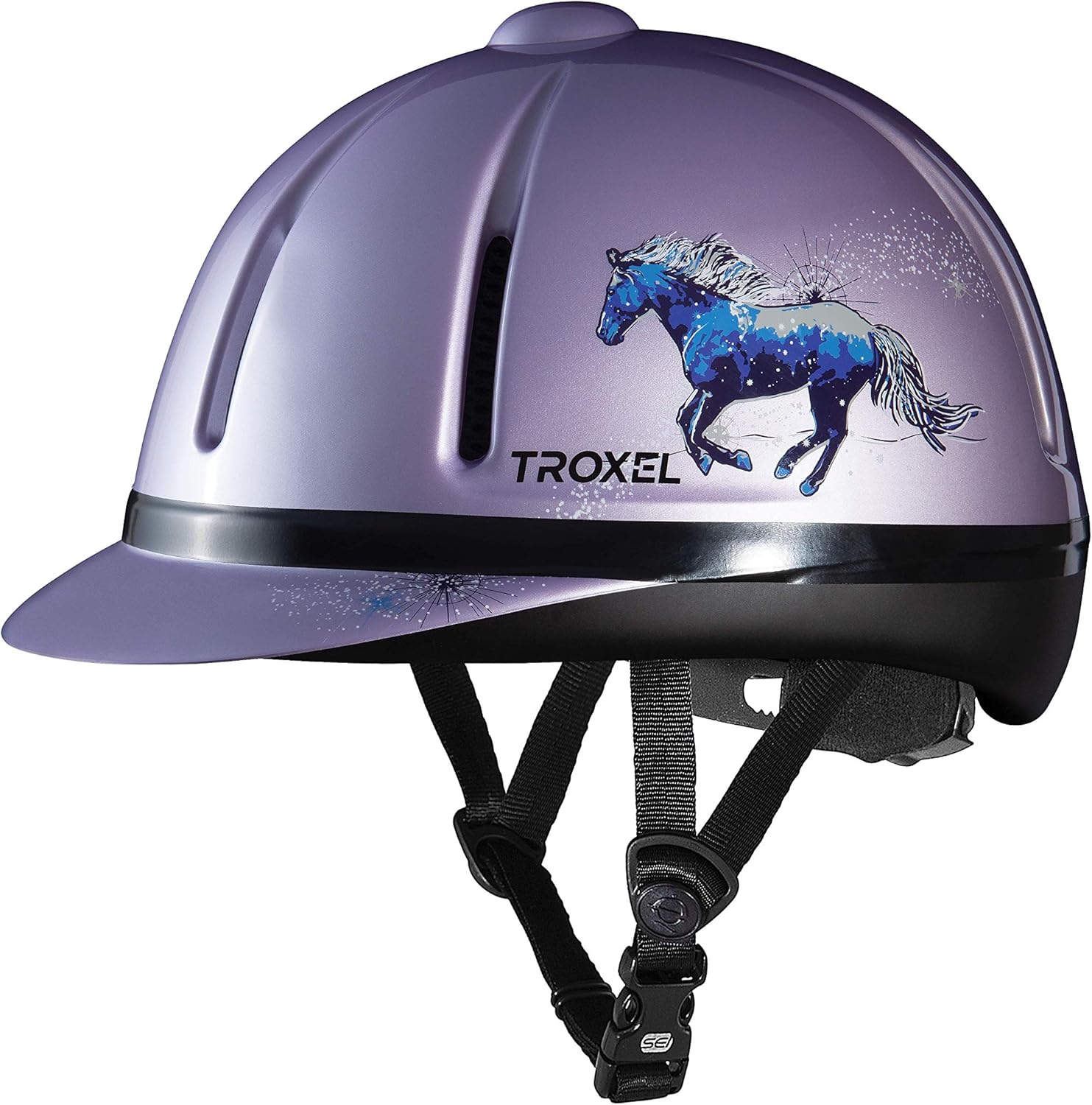
Troxel Legacy Schooling Helmet** – Affordable, sleek, and lightweight. A great choice for everyday riding, especially popular for younger riders thanks to youth sizing.

Troxel Legacy Schooling HelmetTroxel Legacy Schooling HelmetTroxel Legacy Schooling Helmet


Troxel Spirit Helmet ** – Troxel’s #1 selling helmet. Riders love the full-coverage design, GPS II DialFit system, and wide range of fun colors. A strong choice for teens, women, and riders who want a blend of safety and personality.

Troxel Sport Helmet ** – Known for being lightweight and highly ventilated, this helmet is perfect for long trail rides. It also features a built-in sun visor for outdoor comfort.

Troxel Spirit Full Coverage Horse Riding HelmetTroxel Spirit Full Coverage Horse Riding HelmetTroxel Spirit Full Coverage Horse Riding HelmetTroxel Sport Horseback Riding HelmetTroxel Sport Horseback Riding HelmetTroxel Sport Horseback Riding Helmet


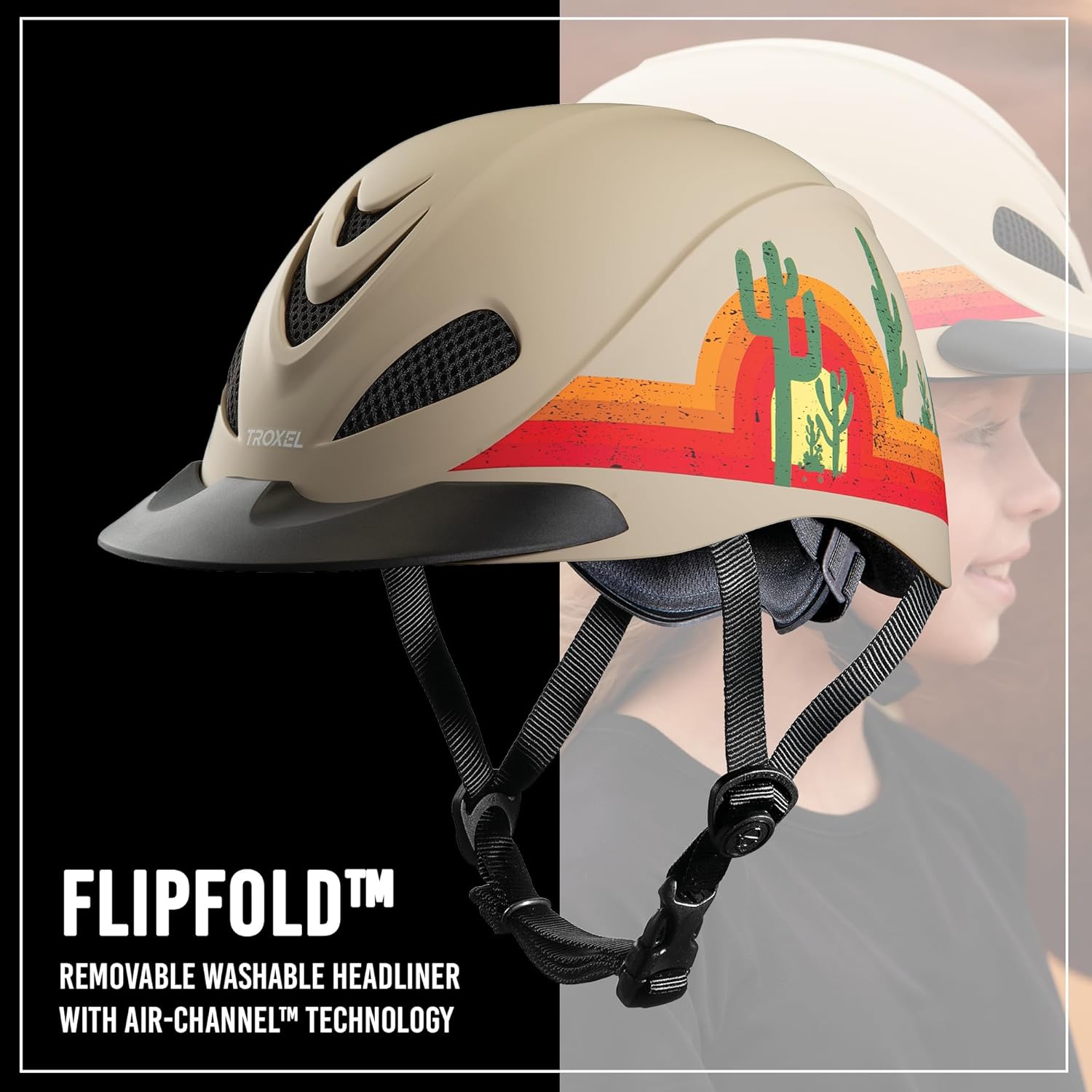
Troxel Rebel Helmet** – Bold, western-inspired designs with performance protection. Ideal for riders who want safety with style.

Troxel Dakota Trail Helmet** – Rugged and trail-ready. This helmet is built for riders who spend long hours outdoors and need reliable comfort with western flair.

Troxel Rebel Turquoise Rose HelmetTroxel Rebel Turquoise Rose HelmetTroxel Rebel Turquoise Rose HelmetTroxel Intrepid Pink Duratec HelmetTroxel Intrepid Pink Duratec HelmetTroxel Intrepid Pink Duratec Helmet


Better To Be Safe than a dead or invalid fashion statement.

Cowboy Hat Helmets: Style Meets Protection

Still can’t imagine giving up the cowboy hat look?

You don’t have to. Cowboy hat helmets combine the brim and style of a western hat with certified helmet protection.

 **Occunomix Cowboy Style Hard Hat Looks like a cowboy hat, but functions as a safety-certified helmet. Great for riders who want protection without losing the classic silhouette.

Occunomix Vulcan Cowboy Style Hard Hat with SuspensionOccunomix Vulcan Cowboy Style Hard Hat with SuspensionOccunomix Vulcan Cowboy Style Hard Hat with Suspension


These options give you the best of both worlds: tradition on the outside, safety on the inside.

The Bottom Line

Every rider has the right to make their own choice.

But choosing not to wear a helmet doesn’t just affect you — it affects your family, your barn community, and those who may care for you if an accident happens.

Modern western riding helmets are comfortable, stylish, and protective.

Whether you choose a schooling helmet for everyday use or a cowboy hat helmet for the perfect blend of tradition and safety, the most important thing is this: **protect your head.**

Because no tradition is worth risking your future.


Table of Contents
1
The Ongoing Debate
2
Tradition vs. Safety
3
Why Helmets Matter
4
Recommended Western Riding Helmets
5
Cowboy Hat Helmets: Style Meets Protection
6
The Bottom Line

© 2026 Horse Helmet Safety
Affiliates Disclosure |Contact | Copyright Disclosure| Federal Trade Compliance|Privacy Policy| Site Map |Terms & Conditions

We are using cookies to give you the best experience on our website.

You can find out more about which cookies we are using or switch them off in .

Riding Horses: Head Safety Gear
Powered by  GDPR Cookie Compliance
Privacy Overview

This website uses cookies so that we can provide you with the best user experience possible. Cookie information is stored in your browser and performs functions such as recognising you when you return to our website and helping our team to understand which sections of the website you find most interesting and useful.

Strictly Necessary Cookies

Strictly Necessary Cookie should be enabled at all times so that we can save your preferences for cookie settings.